When Nigeria announced its intention to host the 2027 United Nations Climate Change Conference, also known as COP32, it was more than a gesture of national pride. It was an attempt to position the country as a leader in Africa’s climate diplomacy. The declaration came on March 17, 2025, during a symposium in Lagos attended by Simon Stiell, Executive Secretary of the UN Framework Convention on Climate Change (UNFCCC).
At that event, the head of Nigeria’s Climate Change Council, Nkiruka Maduekwe, said it was time for Africa’s most populous nation to host the world’s biggest climate summit. “Nigeria has demonstrated climate leadership, and it is time we bring the COP to Lagos,” she said. Lagos State Commissioner for Environment, Tokunbo Wahab, echoed the sentiment. “If Azerbaijan can host COP in Baku, why can’t Nigeria do it in Lagos?” he asked.
Nigeria’s proposal drew early attention. The Ministry of Environment said on social media that hosting the conference would enhance the country’s “climate leadership, global visibility and economic opportunities.” It seemed like the beginning of a strong campaign, coming as Africa’s turn to host the COP approached, five years after Egypt hosted COP27 in 2022.
At the time, observers noted that Nigeria’s bid was strategic. The country had recently enshrined its net zero target into law, becoming the only African nation to do so. It aimed to reach net zero by 2060, balancing this goal with its dependence on oil and gas, which still account for nearly half of government revenues.
Climate Leadership and Contradictions
Nigeria’s climate journey is often described as a study in contrasts. It is both a leading voice in Africa’s call for climate finance and one of the continent’s largest fossil fuel producers. Its Niger Delta remains heavily impacted by oil exploration, while its government advocates for a fairer global transition that accounts for developing nations’ economic realities.
At COP28 in Dubai, Nigeria joined other nations in supporting the global call to transition away from fossil fuels, though the agreement stopped short of setting deadlines. Maduekwe, representing Nigeria at COP29 in Baku, made headlines for criticizing what she described as inadequate climate finance commitments from rich nations. “It is 3am and we are going to clap our hands and say this is what we are going to do – I don’t think so,” she told delegates, rejecting a pledge of 300 billion dollars a year by 2035 as insufficient.
This assertive tone reflected Nigeria’s growing confidence in international climate diplomacy. The March 2025 symposium in Lagos titled “Intersecting Worlds of Climate Change, Mangrove, and Art” appeared to underscore that leadership ambition.
The one-day event, organized by the National Council on Climate Change Secretariat in partnership with the Lagos State Government, the National Art Gallery, and other partners, brought together policymakers, artists, community leaders and international organizations. It combined art exhibitions with policy discussions, emphasizing the role of creativity in driving environmental awareness.
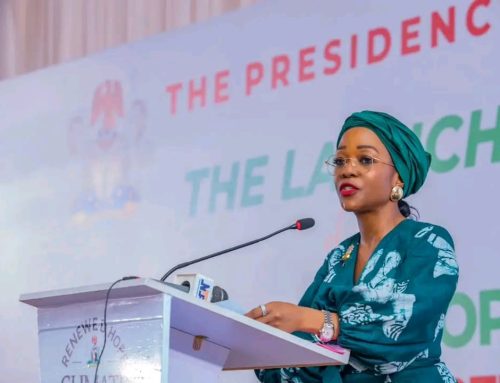
Vice President Kashim Shettima, represented by Ms Rukaya El-Rufai, reaffirmed the government’s commitment to climate-smart policies and mangrove conservation. “Climate change is not a distant threat, it is our lived reality,” she said.
UN Climate Chief Simon Stiell also used the occasion to emphasize Nigeria’s potential in clean energy and adaptation investments. “Nigeria has the resources – solar, wind, and critical minerals – to power its economy and create jobs,” he said. He called for stronger national plans and global cooperation to unlock climate finance.
The momentum seemed promising. Nigeria’s climate institutions, its international visibility, and its recent legal framework on net zero all suggested a strong case for hosting COP32. But by November, that momentum had faded.
Shift to Ethiopia
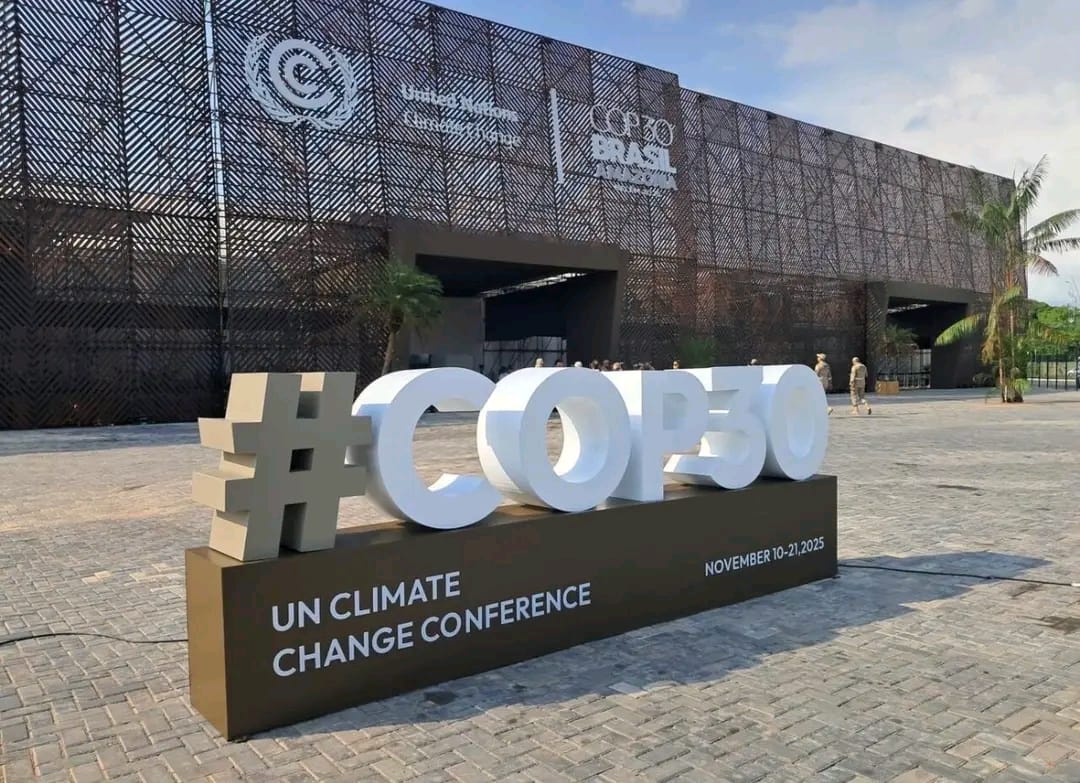
At COP30 in Belem, Brazil, where delegates gathered in November 2025, the African Group of Negotiators (AGN) met behind closed doors to decide which country to endorse for the 2027 summit. Nigeria’s hopes were high, but the decision went another way.
By November 11, Ethiopia had emerged as the preferred host nation. Its endorsement was later confirmed by the AGN chair, Richard Muyungi, who told AFP that the group had reached a consensus. “The African Group has endorsed Ethiopia,” he said.
For Nigeria, it was a disappointing outcome. The AGN’s choice was adopted during the COP30 plenary session, formalizing Ethiopia’s selection. The decision, though pending final approval by all parties, was seen as a mere formality.
Ethiopia’s ambassador to Brazil, Leulseged Tadese Abebe, addressed the conference in Belem, expressing gratitude. “We are deeply grateful for the trust and confidence bestowed on the Ethiopian people and government,” he said. “COP32 will play a major role in guiding climate action in this critical decade.”
Behind the Decision
Diplomatic sources within the African Group said Ethiopia’s selection came after weeks of consultation and was based on “continental consensus and logistical readiness.” The country’s capital, Addis Ababa, hosts the African Union headquarters and regularly convenes large international gatherings.
Ethiopia also benefited from hosting the Africa Climate Summit earlier in 2025, where it coordinated the release of the Addis Ababa Declaration, calling for stronger African leadership on climate issues. That visibility may have strengthened its candidacy.
Nigeria’s campaign, by contrast, had faced internal changes. In August, Maduekwe was replaced by Omotenioye Majekodunmi as the head of the National Council on Climate Change. Though there was no official link between the leadership change and the bid outcome, analysts say it may have affected the continuity of Nigeria’s diplomatic push.
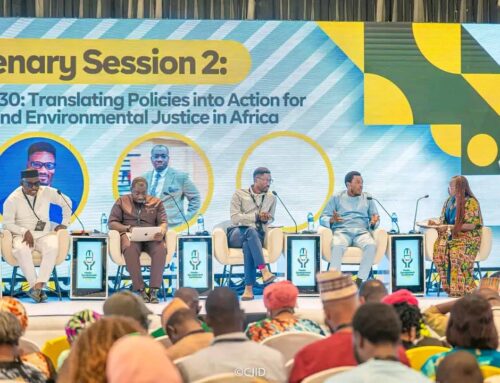
According to development analyst Nicholas Adeniyi from the Centre for Journalism Innovation and Development (CJID), the decision does not diminish Nigeria’s influence in Africa’s climate space. “Despite not emerging as the host, Nigeria remains central to shaping the continent’s agenda for COP32,” he told Premium Times.
Other observers noted that Ethiopia’s candidacy reflected a broader effort to consolidate Africa’s climate diplomacy around Addis Ababa’s institutional infrastructure. The Executive Director of the Pan-African Climate Justice Alliance, Mithika Mwenda, said Ethiopia’s selection marked a symbolic shift. “This represents Africa’s move from merely demanding climate justice to defining it,” he said.
Lessons for Nigeria
The outcome has sparked quiet reflection within Nigeria’s climate policy circles. For many, it raises questions about the country’s regional diplomacy and the strategic coordination required to secure such global roles.
Hosting a COP is not only symbolic but also strategic. It gives the host presidency influence over the agenda, the ability to spotlight domestic challenges, and a platform to showcase solutions. In Nigeria’s case, hosting COP32 could have amplified national conversations around energy transition, adaptation, and environmental justice.
However, several factors may have complicated Nigeria’s chances. Beyond Ethiopia’s institutional advantage, some analysts suggest Nigeria’s oil dependence and security challenges might have influenced perceptions of readiness. Others point to the broader geopolitics of consensus-building within Africa, where quiet negotiation and regional alliances often determine outcomes.
Still, Nigeria’s participation in the process has underscored its relevance in the evolving landscape of climate governance. The country’s laws on net zero, its engagement in carbon markets, and its recent work on adaptation strategies continue to make it an influential actor.
UNFCCC officials, including Simon Stiell, have repeatedly noted Nigeria’s potential. “There will be other bidders and a process to follow,” he said in March during his Lagos visit. “But I encourage Nigeria within its constituency group.”
Looking Ahead
With Ethiopia now set to host COP32 in Addis Ababa, attention will shift to how Nigeria positions itself within Africa’s broader climate strategy. Analysts believe the experience could serve as a lesson in long-term diplomacy and coalition building.
For Nigeria, the next challenge may not be hosting but ensuring that Africa’s priorities — on finance, adaptation, and a just transition — are reflected in the outcomes of the 2027 summit.
As the continent pushes to redefine its role in global climate politics, Nigeria’s voice will remain crucial. It may have lost the bid to host COP32, but it has not lost the platform to lead.