
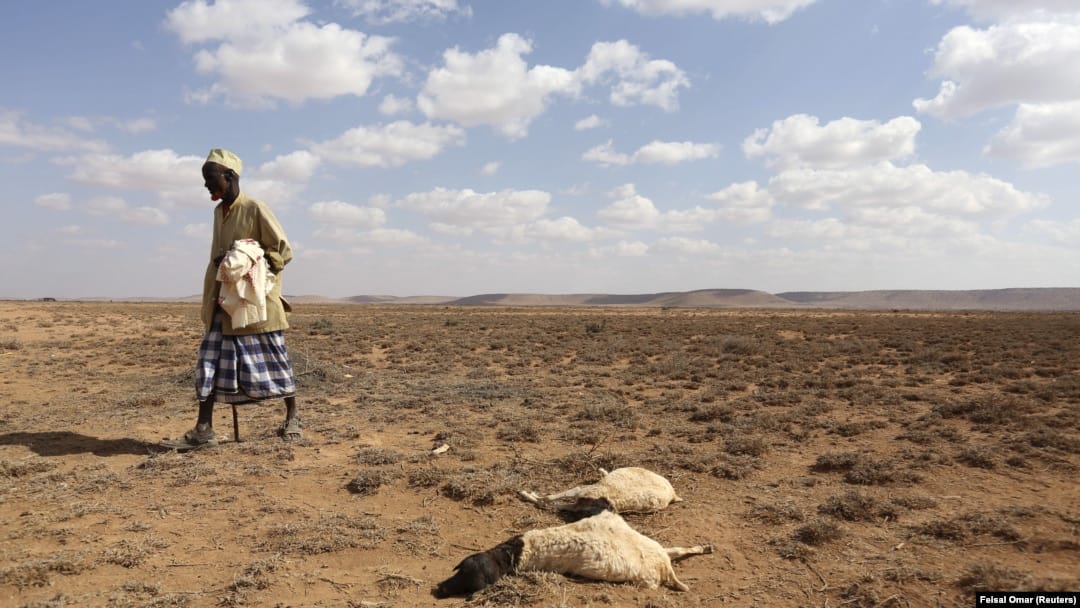
Nigeria is projected to record an additional 31,400 heat-related deaths between September 2026 and February 2027 as a Super El Niño event drives global temperatures above normal levels, according to a new report by the Climate Impact Lab (CIL).
The projection places Nigeria among the countries expected to suffer the heaviest mortality from extreme heat over the next six months, with the country accounting for nearly half of the estimated 66,800 additional heat-related deaths across the Sahel during the period.
The report, titled 451,000 at Risk: Where Action Can Save Lives During the Super El Niño, projects that 451,000 people could die from heat-related causes globally during the first half of the current El Niño event, compared with a normal year.
Of this number, an estimated 239,000 additional deaths, with an uncertainty range of 11,000, are projected worldwide between September 2026 and February 2027.
The report, authored by Michael Greenstone, Tamma Carleton, Genevieve Maricle and Emily Grover-Kopec, attributes the projections to unusually warm conditions associated with the current El Niño event, which began in June 2026 and is expected to persist through the Northern Hemisphere spring.
El Niño is a natural climate phenomenon characterised by the periodic warming of sea surface temperatures in the central and eastern tropical Pacific Ocean. It can influence weather patterns across different parts of the world and contribute to unusually high temperatures in some regions.
According to the report, global land temperatures are projected to be 1.2 degrees Celsius above normal in the coming months, while the number of extremely hot days is expected to rise by 44 per cent compared with a normal year.
The authors said the unusually warm conditions would expose populations to temperatures resembling those projected to become more common about two decades from now as the climate warms.
Nigeria among hardest-hit countries
Nigeria is expected to experience a substantial share of the projected heat-related deaths across the Sahel, alongside Sudan, Niger and Chad.
The report estimates that Sudan could record an additional 17,500 heat-related deaths between September 2026 and February 2027, while Niger and Chad are projected to record 10,000 and 8,000 additional deaths, respectively.
Beyond the Sahel, the report identifies India, Brazil and parts of Southeast Asia among the regions facing significant increases in heat-related mortality during the forecast period.
It projects 19,400 additional deaths across the Philippines, Vietnam, Thailand and Cambodia, and another 19,300 in Indonesia. India and Brazil are projected to record 15,800 and 13,300 additional heat-related deaths, respectively.
The report also warns that the timing of the projected deaths will vary across countries, meaning that governments have different windows of opportunity to prepare and direct interventions.
Nigeria is among the countries expected to face a particularly severe burden in the later months of the forecast period. The report projects an additional 15,400 heat-related deaths in Nigeria between December 2026 and February 2027, compared with the corresponding months of a normal year.
The authors said the estimates could rise further because the effects of unusually high temperatures are expected to persist beyond the current six-month forecast window.
They also anticipate continued increases in heat-related deaths in parts of the Northern Hemisphere, including India and Pakistan, as temperatures rise towards the summer months.
Measures to reduce heat-related deaths
The report says governments and humanitarian organisations can use the projections to identify areas where preventive interventions are likely to save the greatest number of lives.
It identifies heat warnings, outreach to vulnerable populations, cooling centres, hydration stations, worker protections and expanded healthcare capacity as measures that can help people cope with extreme temperatures.
The authors said targeted funding and timely interventions could prevent tens of thousands of deaths during the current El Niño event.
They also highlighted the importance of heat early warning systems and heat action plans that enable health officials to identify vulnerable people, conduct home visits, improve access to water and monitor symptoms associated with extreme heat.
Other measures include improving temperature forecasts, expanding access to cooling technologies and providing funding ahead of anticipated extreme weather conditions.
However, the report cautions that some adaptation measures have been evaluated only in specific locations, underscoring the need for more evidence on what works across different climates, populations and healthcare systems.
“Preventing these future heat deaths, however, requires us to know which adaptations actually work, and where,” the authors said.
They said the Climate Impact Lab’s Adaptation Inventory was designed to provide evidence on interventions that have been shown to save lives and improve human welfare.
The report’s mortality projections draw on research examining the relationship between temperature and excess deaths across 24,378 regions worldwide. The researchers applied those relationships to seasonal temperature forecasts from the European Centre for Medium-Range Weather Forecasts to estimate changes in heat-related mortality against the 1996 to 2025 average.
The authors said the projections carry uncertainty arising from the seasonal forecasts and the estimates of the relationship between temperature and mortality.
They urged governments and other decisionmakers to use the available evidence to strengthen preparations for extreme heat, warning that temperatures experienced during the current El Niño event could offer an indication of the conditions many populations may face more regularly in the coming decades.
The report said timely investments in adaptation and public health preparedness could help reduce the number of people who die from extreme heat as global temperatures continue to rise.
Editorial note: The figures above are projections from the supplied report, not confirmed deaths.



[…] Africa, the assessment titled 451,000 at Risk: Where Action Can Save Lives During the Super El Niño projects 66,800 additional heat-related […]