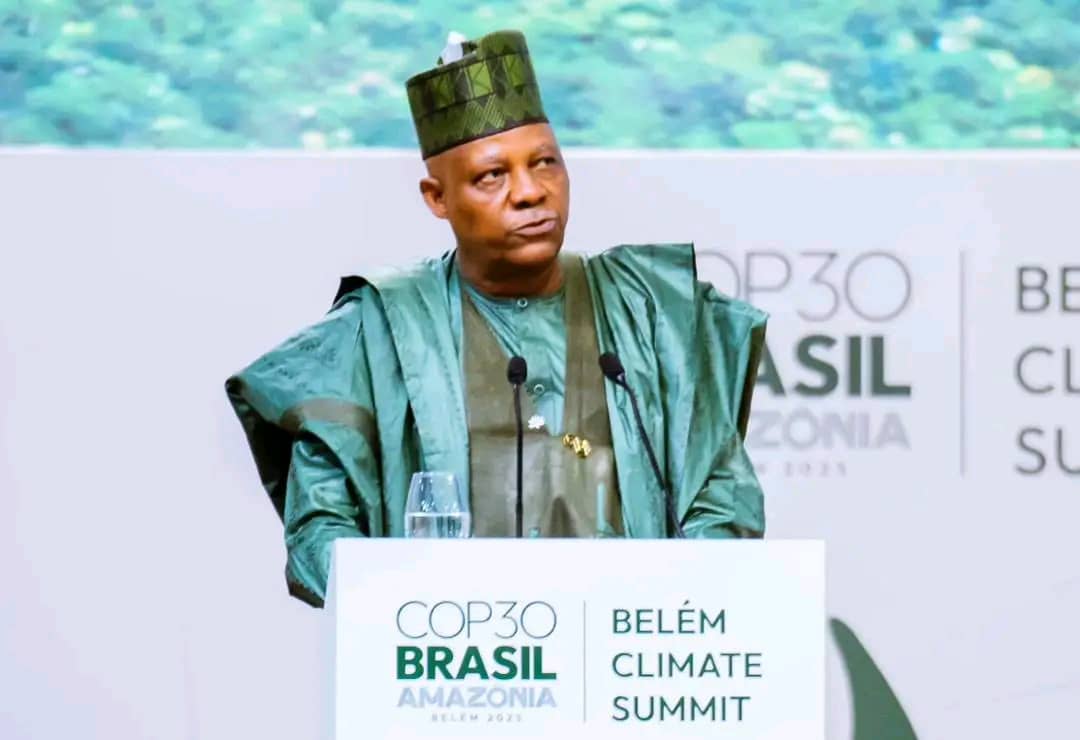
The 30ᵗʰ session of the COP30 under the United Nations Framework Convention on Climate Change (UNFCCC) was held in Belém, Brazil, from 10 to 21 November 2025. It assembled leaders, ministers and negotiators from more than 150 countries seeking to move from pledges to delivery. At the formal opening on 6 November, Brazil’s President Luiz Inácio Lula da Silva said:
“Accelerating the energy transition and safeguarding nature are the two most effective ways to curb global warming.”
In the same session, UN Secretary-General António Guterres declared that the 1.5 °C target is a “red line for humanity” and warned that failing it would amount to “moral failure and deadly negligence.”
Within that setting, Nigeria’s delegation outlined a strategy that bridged global finance demands and domestic restoration policy.
Nigeria’s Global Appeal
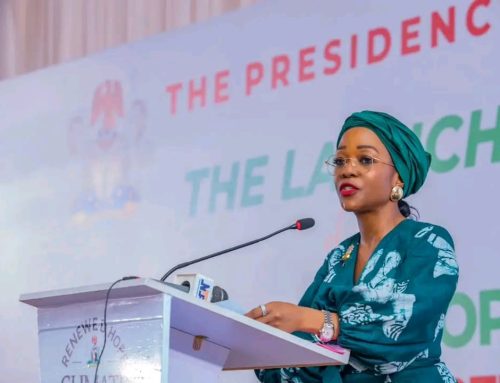
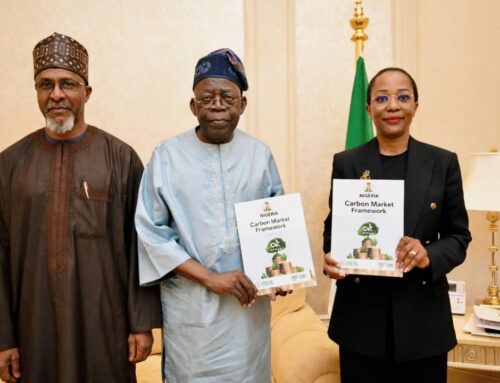
Nigeria, through Vice-President Kashim Shettima acting for President Bola Ahmed Tinubu, submitted a set of expectations and internal readiness. At a thematic session titled “Climate and Nature: Forests and Oceans” he asserted that forests, landscapes and oceans are “shared resources … outside the jurisdiction of any single nation” and therefore demand collective financial commitments. He announced that through Nigeria’s National Carbon Market Framework and Climate Change Fund the country aims “to mobilise up to three billion US dollars annually in climate finance.” He added that, for Nigeria, the resources will be reinvested in “community-led reforestation, blue carbon projects and sustainable agriculture.”
Shettima asked the global community to scale up grant-based finance, operationalise blue carbon markets under Article 6 of the Paris Agreement and deploy debt-for-nature swaps to free developing countries to invest in conservation rather than solely servicing debt. He framed this in terms of justice saying that states of the Global South “have contributed least to this crisis … are today paying its highest price” and that nations which “have benefited more from centuries of extraction must now lead in restoration.”
Domestic Architecture and Readiness
Nigeria accompanied its global ask with a catalogue of domestic commitments and institutional tools. The country’s Climate Change Act 2021 enshrines nature-based solutions as a legal responsibility of the state. Shettima said Nigeria is “taking bold, coordinated steps to restore balance between climate, nature, and development.”
Director-General of Nigeria’s National Council on Climate Change, Tenioye Majekodunmi, described the submission of Nigeria’s third Nationally Determined Contribution (NDC 3.0) as a regional milestone and emphasised the need to convert those deliverables “into pipeline projects, partnerships and pay-for-performance” rather than remain on paper.
Key elements of Nigeria’s restoration plan include: restoring more than two million hectares of degraded land by 2030 under its Forest Landscape Restoration Plan, planting over ten million trees across eleven frontline states via the Great Green Wall initiative and launching a Marine and Blue Economy Policy to steward coastal and marine ecosystems.
Case study — Mangrove restoration in the Niger Delta
In the Niger Delta region, Nigeria is advancing a large-scale mangrove restoration and blue carbon initiative. A project covering approximately 240 000 hectares in Rivers State seeks to prevent deforestation of 170 000 hectares of mangrove forest and embed local community participation.
Independent analysis shows that Nigeria lost about 5 644 hectares of mangroves annually between 2016 and 2024 in that region.
Nigeria’s COP30 submission links directly to this kind of project when it states that blue carbon is a key target area and that community-led governance must reward indigenous people, farmers and fisherfolk rather than displace them.
Case study — Great Green Wall corridor
The Great Green Wall corridor within Nigeria runs across eleven frontline states in the Sahel-Savanna fringe and serves as the terrestrial restoration component of the national plan. According to official data, the country is planting over ten million trees and creating thousands of jobs for youth and women as part of this programme.
Nigeria’s target of restoring more than two million hectares by 2030 via the National Afforestation Programme and the Forest Landscape Restoration Plan also features prominently in the COP30 messaging.
These efforts underline how Nigeria intends to align ecosystems, livelihoods and climate-finance instruments in one domestic framework.
Mechanisms and Governance
Nigeria’s presentation at COP30 emphasised three financing mechanisms: grant-based nature-finance, operationalising blue-carbon markets under Article 6 and debt-for-nature swaps. Shettima said: “No nation can finance climate ambition with goodwill alone. We need a reliable and equitable architecture that recognises the realities of developing nations.”
Governance remains central: Nigeria’s material emphasised community-led restoration, emphasising that indigenous people, farmers and fisherfolk must be “rewarded for their stewardship rather than displaced by it.”
The design of these mechanisms will determine whether restoration serves as a social-ecological investment rather than merely a financial asset transfer.
Finance and Structural Constraints
While Nigeria’s target of mobilising US$3 billion annually is bold, much depends on effective implementation of the National Carbon Market Framework and the Climate Change Fund. The linkage between national policy architecture and capital flows from external finance remains to be fully articulated. In mangrove and afforestation projects, technical issues such as measurement of carbon stocks, baseline setting and land tenure are critical. Nigeria’s past experience with large-scale remediation projects in the Niger Delta – which flagged weak oversight and limited transparency – serves as a caution.
For example, memorandum documents of blue-carbon-credit projects project that a single mangrove initiative could sequester over 5.3 million tonnes of carbon annually and replant some 20 000 hectares.
However, the question remains whether fiscal space freed through debt-for-nature swaps will truly channel into conservation rather than general budget relief.
Nature, Justice and Regional Leadership
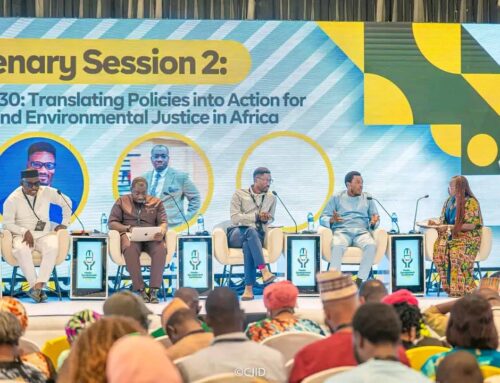
Nigeria also framed its COP30 participation as part of a broader African agenda, rejecting the notion of a continent that is passive in climate change. Shettima declared: “Africa’s ecosystems as global assets deserving of global investment and protection.”
He expanded on this by saying that Africa’s youth are “the world’s greatest untapped source of innovation and resolve.”
Nigeria is positioning itself along with the African Union to advance an African Nature Finance Framework designed to unlock private-capital investments in reforestation, ecosystem restoration and the blue economy.
Operational Risks Ahead
Despite the strong statement of intent, several operational risks remain. Variation in institutional capacity across Nigeria’s states is significant. The mangrove restoration in the Niger Delta shows wide variation in biomass values, suggesting that one-size-fits-all planting goals may not yield uniform outcomes. Restoration of degraded land in the Sahel-Savanna fringe must contend with local tenure issues, variable water availability and longer-term maintenance. Monitoring, reporting and verification systems are still nascent and will be essential to credible carbon-credit projects and investor confidence.
Nigeria’s COP30 engagement thus hinges on whether its frameworks translate into measurable outcomes, whether global finance arrives under the terms requested, and whether local communities benefit in line with stated ambitions.