In the fight against illegal wildlife trade, Nigeria has long stood at a troubling crossroads—both a victim and an unwilling accomplice. Its forests, once teeming with rare species, have become pathways for traffickers moving ivory, pangolin scales, and other wildlife parts to Asia and beyond. For years, the country’s outdated Endangered Species Act of 1985 failed to respond to the sophistication of these global crimes. But with the passage of the Endangered Species Conservation and Protection Bill, 2024, a new era of accountability is beginning to take shape. The bill represents Nigeria’s strongest attempt yet to protect its wildlife, ecosystems, and by extension, its climate future.
A Global Trafficking Hub
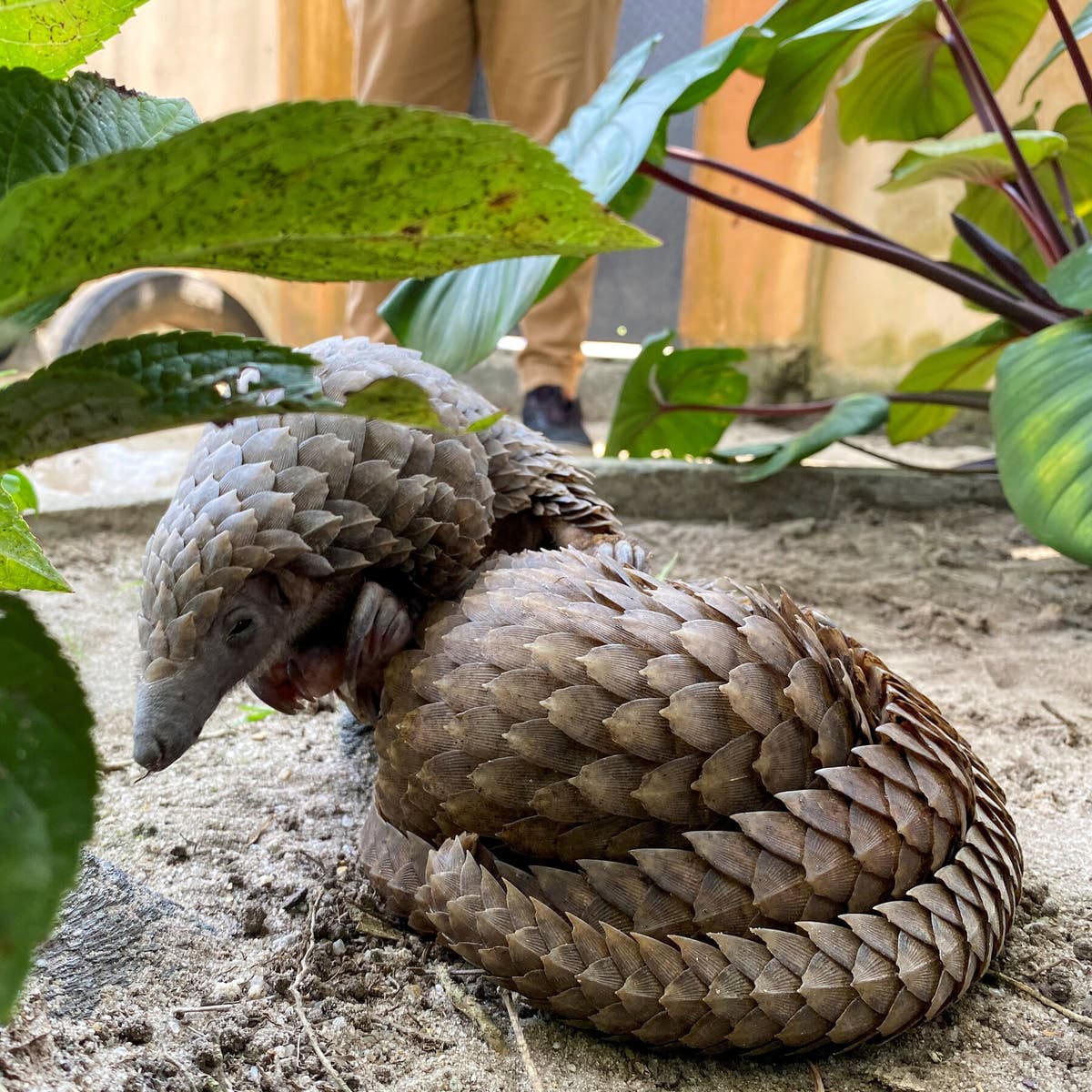
The scale of trafficking linked to Nigeria is staggering. Between 2015 and 2019, the United Nations Office on Drugs and Crime reported that Nigeria accounted for more than a quarter of all ivory seizures worldwide, despite having less than one-fifth of one percent of the global elephant population. A 2021 study estimated that seizures connected to Nigeria over a decade involved pangolin scales from nearly 800,000 individual animals—an indication of just how embedded the country had become in the illicit supply chain. The Nigeria Customs Service has, in recent years, seized over 20 tonnes of pangolin scales and prosecuted multiple traffickers, but officials admit that “the trade has grown more organized and profitable, drawing criminal networks with the same reach as narcotics traffickers.”
Wildlife trafficking is more than a biodiversity issue. It destabilizes ecosystems and undermines climate resilience. When keystone species such as elephants and pangolins are wiped out, forests lose their natural regenerators and pest-control agents. The depletion of such species accelerates habitat loss and weakens natural carbon sinks, leaving landscapes more vulnerable to drought and flood. The UN Environment Programme has warned that “environmental crime, including wildlife trafficking, directly undermines ecosystem integrity and climate action.”
The Bill and Its Vision
The new bill, sponsored by Terseer Ugbor, deputy chairman of the House Committee on Environment, was passed by the House of Representatives in May 2025 and approved by the Senate five months later. It now awaits presidential assent. Mr Ugbor described it as “a decisive shift in Nigeria’s environmental governance,” saying during plenary, “This Bill sends an unambiguously clear message that Nigeria will not tolerate the use of its borders for trafficking illegal wildlife products. It modernizes our laws to meet the complexity of today’s environmental crimes.”
Under the new legislation, the penalties for wildlife crimes are significantly strengthened. Offenders now face up to ten years in prison or fines reaching twelve million naira, or both, depending on the severity of the offense. The law also expands investigative powers, allowing authorities to track financial transactions, seize assets, and inspect aircraft and ships suspected of carrying wildlife contraband. Judges are directed to give wildlife-crime cases priority to prevent years of procedural delay that have often let traffickers go free.
The bill harmonizes Nigeria’s domestic law with global treaties such as the Convention on International Trade in Endangered Species of Wild Fauna and Flora (CITES). It clarifies agency roles for Customs, the National Environmental Standards and Regulations Enforcement Agency (NESREA), and the police, closing gaps that have previously allowed suspects to slip between overlapping jurisdictions. As Ugbor explained, “Our approach integrates criminal justice with conservation. This is about protecting not only animals but the natural systems that sustain our economy and our people.”
Bringing the Law to Life
The bill’s relevance goes beyond wildlife preservation. It sits squarely within the broader context of climate and environmental governance. Deforestation and habitat loss are responsible for nearly 11 percent of Nigeria’s annual greenhouse-gas emissions. The removal of wildlife accelerates these effects by disrupting forest regeneration and degrading soil fertility. By making trafficking a high-risk crime, the new law could help safeguard remaining forests that serve as carbon reservoirs.
In an interview with Reuters, Ugbor said the bill was designed “to align Nigeria with international standards and promote sustainable use of biodiversity.” He stressed that protecting wildlife contributes directly to climate adaptation goals, especially in rural communities where livelihoods depend on functioning ecosystems. “When we lose wildlife, we lose the very balance that protects our farms, forests, and rivers,” he said.
The Ministry of Environment has also emphasized that the law will strengthen Nigeria’s position in global climate negotiations. By reinforcing biodiversity protection, the government hopes to link its climate-finance strategies to measurable conservation outcomes. As one senior official at NESREA put it, “You cannot talk about carbon storage and ecosystem services without talking about wildlife. Every pangolin and elephant removed from the wild weakens that equation.”
Old Problems, New Resolve
For decades, enforcement has been the weakest link in Nigeria’s environmental policy. Prior to 2021, the Customs Service reported no convictions for wildlife trafficking. Weak inter-agency coordination, corruption, and lack of training allowed traffickers to exploit ports and land borders. Many shipments seized in Asia were traced back to Nigerian ports, yet few local arrests were ever made. The new law aims to change that pattern by creating a chain of accountability from investigation to prosecution.
Still, the challenges remain complex. Enforcement officers face intimidation, inadequate funding, and sometimes complicity within the system. Conservationists warn that unless the government invests in capacity building and community engagement, the law could exist only on paper. A report by the Wildlife Justice Commission noted that most trafficking networks operate across several West African countries, requiring intelligence sharing and regional cooperation. “If Nigeria acts alone, the traffickers will simply reroute through weaker borders,” the report cautioned.
Climate, Communities, and the Future
Beyond its legal and institutional significance, the bill carries a moral weight. Nigeria’s biodiversity is deeply tied to the survival of rural communities. Elephants and antelopes maintain forest composition; mangrove species protect coastal fisheries; pollinators sustain agriculture. The disappearance of these species is not just a loss of wildlife but a threat to food security and climate resilience. Environmentalists have described the new law as “a landmark piece of climate legislation disguised as a wildlife bill.”
To make the law effective, experts argue for parallel investment in public awareness, alternative livelihoods, and data systems for tracking species decline. There are also calls for collaboration between environmental NGOs, traditional institutions, and local governments to integrate wildlife protection into land-use planning. In states like Cross River and Taraba, where forest reserves face pressure from logging and farming, such partnerships could turn the law from an abstract policy into a living framework of conservation.
A Chance to Rewrite the Story
Nigeria’s passage of the Endangered Species Conservation and Protection Bill marks more than legislative reform. It signals a recognition that the fate of its wildlife is inseparable from its environmental stability and climate ambitions. After years of being cited in international reports as a “country of concern,” Nigeria now has the opportunity to redefine its global reputation—from transit hub to regional leader in wildlife protection.
What happens next depends on implementation. Laws can promise justice, but only political will delivers it. Still, for the first time in decades, Nigeria’s commitment is written in language that traffickers understand—stiff penalties, strong enforcement, and no excuses. If the spirit of this bill holds, the forests and savannahs may once again become homes for wildlife, not corridors for crime.