
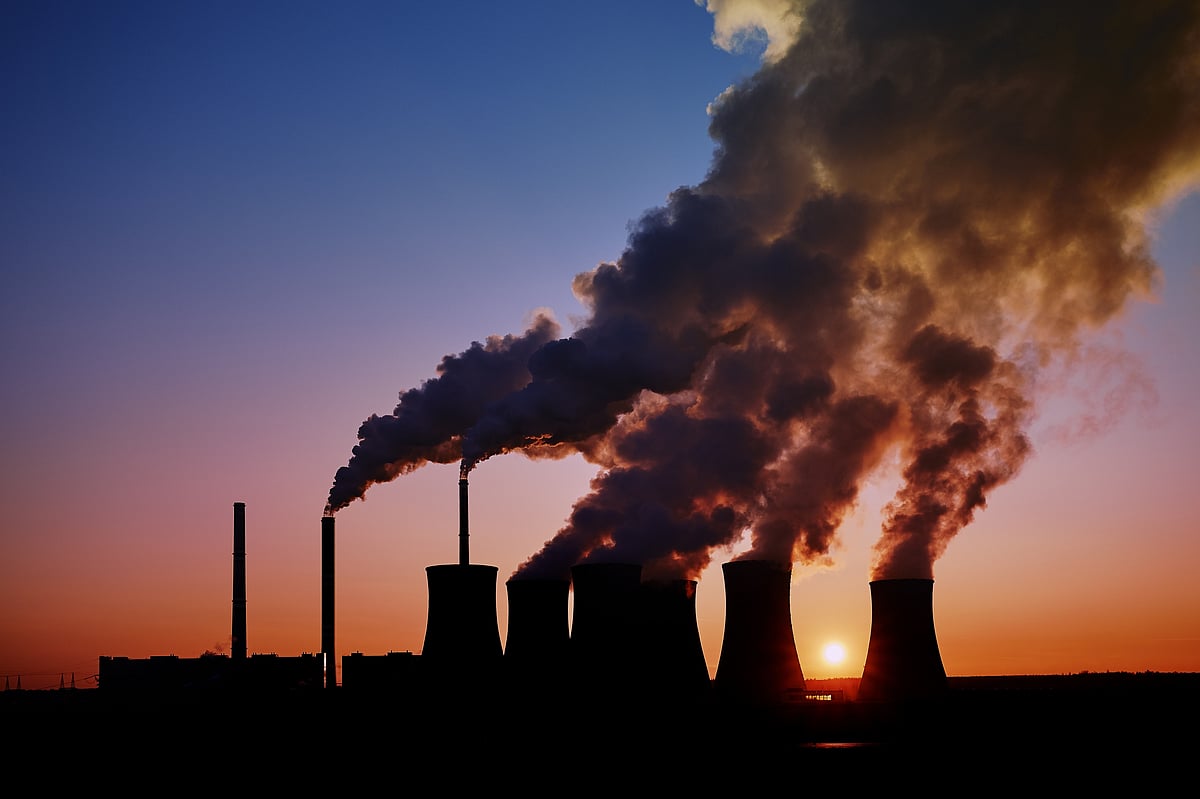
The world is losing ground in efforts to limit global warming, with new United Nations projections showing that temperatures could rise further than previously estimated even if countries fulfil their climate commitments.
The United Nations Environment Programme (UNEP), in its latest assessment of national climate pledges and emissions trends, said the world could warm by 2.6 degrees Celsius above pre-industrial levels by 2100 if countries implement their current commitments. Without those pledges, warming could reach 2.8 degrees Celsius, according to the report.
The projections represent a setback for the 2015 Paris Agreement, under which countries committed to limiting global warming to well below 2 degrees Celsius and pursuing efforts to keep it to 1.5 degrees. The world has already warmed by about 1.4 degrees Celsius above pre-industrial levels, according to the report.
UNEP attributed the worsening outlook partly to the United States’ formal withdrawal from the Paris Agreement and revised estimates of historical emissions. The report also identified the US as the largest contributor to the increase in global greenhouse gas emissions in 2025 among the major economies assessed.
The United States’ emissions rose by 133 million tonnes of carbon dioxide equivalent in 2025, driven by increased electricity demand and a rebound in coal-fired power generation, the report said. Of the 189 million tonnes added by countries whose emissions increased that year, about 70 per cent came from the US.
The report’s lead author, Anne Olhoff, director of the UNEP Copenhagen Climate Centre, said the change in US policy could add approximately 0.1 degrees Celsius to global warming by the end of the century.
That additional warming could have significant consequences for vulnerable populations, particularly in Africa, where communities already face intensifying heat, floods, droughts and threats to food security.
Mohamed Adow, director of Power Shift Africa, said the US policy shift had consequences beyond international diplomacy.
“An extra tenth of a degree might sound insignificant, but in climate terms it is enormous,” he said, warning that it could mean more dangerous heatwaves, destructive floods, failed harvests and loss of lives among vulnerable communities.
The latest projections follow an earlier UN assessment published in September that acknowledged the world was likely to exceed the 1.5-degree Celsius warming threshold set under the Paris Agreement. That report outlined the need to limit excessive warming and eventually bring temperatures back below the threshold through deep emissions cuts and the removal of carbon dioxide from the atmosphere.
The new assessment reinforces concerns that current climate action remains insufficient to prevent dangerous levels of warming. UNEP Executive Director Inger Andersen said global emissions would need to fall by 18 per cent by 2030 and 69 per cent by 2040 to bring warming back towards a more manageable level.
Scientists have warned that delays in reducing emissions will increase the scale, cost and difficulty of responding to climate change. Adelle Thomas, a climate scientist and vice-chair of a UN scientific assessment on climate impacts, said the world already had the tools needed to address the crisis, but further delays would make the challenge more dangerous and expensive.
For Africa, the implications are particularly serious. The continent contributes relatively little to global greenhouse gas emissions but faces disproportionate risks from rising temperatures, changing rainfall patterns, agricultural disruption and extreme weather. Additional warming could deepen existing vulnerabilities, threaten livelihoods and increase pressure on public health systems and food production.
UN Secretary-General António Guterres said the world was falling dangerously short of its climate goals but still had the means to change course.
The report calls for faster emissions reductions and stronger implementation of national climate commitments. Meeting those targets will require governments to move beyond pledges and accelerate the transition away from fossil fuels, while expanding cleaner energy and strengthening measures to protect communities from the effects of warming already underway.


Leave A Comment