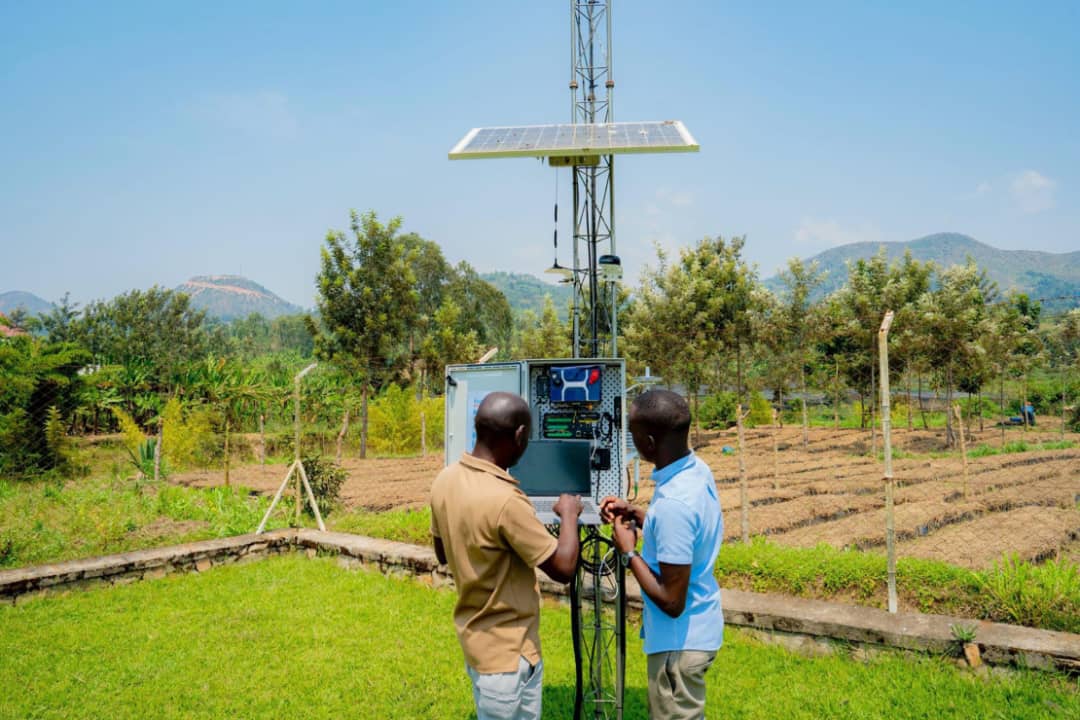
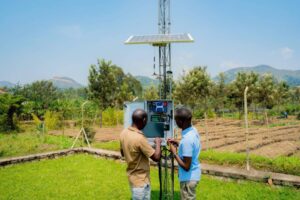
Rwanda has made climate information and early warning a priority in its NDC, upgrading climate monitoring infrastructure with SOFF support. Photo: UNDP Rwanda
As climate change intensifies, extreme weather events are becoming more frequent and destructive. Floods, droughts, and storms are no longer rare emergencies but recurring crises that disrupt lives and economies. Early warning systems—tools designed to detect, forecast, and communicate climate hazards before they strike—are among the most effective defences against this growing threat.
Globally, the United Nations Development Programme (UNDP) and partners have supported dozens of countries to build such systems, linking weather forecasts with local action plans. The idea is simple: the sooner people know danger is coming, the better they can prepare. Farmers can save crops, health workers can stock supplies, and families can move to safer ground. The UN says a 24-hour warning before an impending disaster can cut damage by up to 30 percent.
How early warning systems work
These systems combine satellite data, radar networks, river sensors, and computer models to predict weather hazards. Once a potential disaster is detected, information is shared through radio, mobile phones, community volunteers, and local institutions. In countries like Bangladesh and the Philippines, such systems have drastically reduced deaths from cyclones and floods.
But technology alone is not enough. The most successful systems depend on strong coordination between meteorological agencies, local authorities, and communities. A forecast must reach the right people in a form they understand and trust, or it risks being ignored.
Why Nigeria needs stronger systems
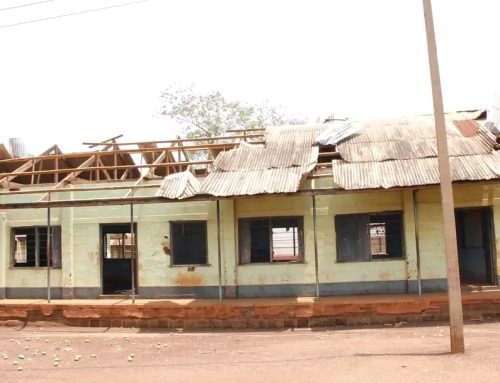
Nigeria’s climate vulnerability has become painfully clear in recent years. The 2022 nationwide floods killed more than 600 people, displaced 1.4 million, and destroyed farmlands worth billions of naira. Many communities said they received no timely warnings, despite forecasts of heavy rainfall and dam releases.
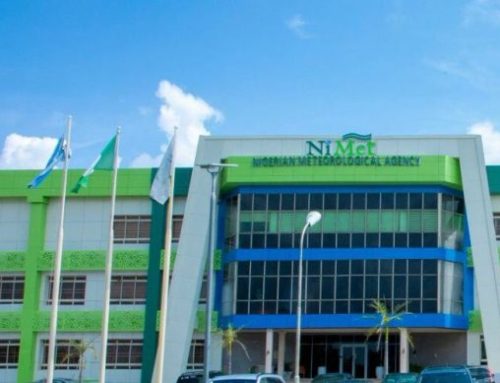
The Nigerian Meteorological Agency (NiMet) issues seasonal climate predictions every year, but these often fail to reach rural populations in formats they can act on. Radio remains the main source of information for millions, yet localised flood alerts or heat advisories rarely make it to the airwaves.
In 2023, the government announced a National Framework for the Application of Climate Services (NFACS), supported by the UNDP and the Global Environment Facility. The project aims to strengthen weather and climate data systems across states, train local responders, and expand community-based early warning networks. However, funding gaps and weak coordination among agencies still limit progress.
The human and economic case
Investing in early warning saves both lives and money. According to UNDP, every dollar spent on these systems can yield up to ten dollars in avoided losses. For Nigeria, where over 70 percent of the workforce depends on climate-sensitive sectors such as agriculture, this investment could also safeguard food security.
Farmers who receive rainfall forecasts can decide when to plant or harvest, reducing the risk of crop failure. Fisherfolk can avoid unsafe conditions at sea. Health agencies can anticipate malaria and cholera outbreaks linked to rising temperatures and flooding.
The road ahead
Nigeria has the technical expertise to build robust systems but needs stronger political commitment and community trust. Integrating indigenous knowledge with modern forecasting can make alerts more relevant. Expanding mobile and community radio coverage can ensure warnings reach those who need them most.
As climate shocks grow sharper, the choice is clear: act early or pay dearly. Early warning systems are not just about technology—they are about foresight, coordination, and valuing human life before disaster strikes.