Climate change is no longer a distant environmental concern for Africa’s health systems. It is a present and escalating public health challenge, shaping disease patterns, weakening infrastructure, and deepening existing vulnerabilities across the continent. Against this backdrop, the Africa Centres for Disease Control and Prevention has released its Climate Change and Health Strategic Framework 2025–2029, a comprehensive policy document intended to guide African Union member states in building climate-resilient health systems.
The framework arrives at a moment when climate-related health risks are intensifying globally and disproportionately affecting Africa. According to projections cited by Africa CDC, climate change could result in an additional 14.5 million deaths worldwide, more than two billion healthy life years lost, and economic losses estimated at $12.5 trillion by 2050. On the African continent, a review of more than 2,000 public health events recorded between 2001 and 2021 shows that 56 percent were linked to climate-related factors.
“These impacts are no longer abstract projections,” the Africa CDC noted in the framework. “Extreme weather events, shifting disease patterns, food insecurity, and waterborne illnesses are intensifying, posing significant risks to the health and well-being of communities.”
A Framework Rooted in Public Health Mandate
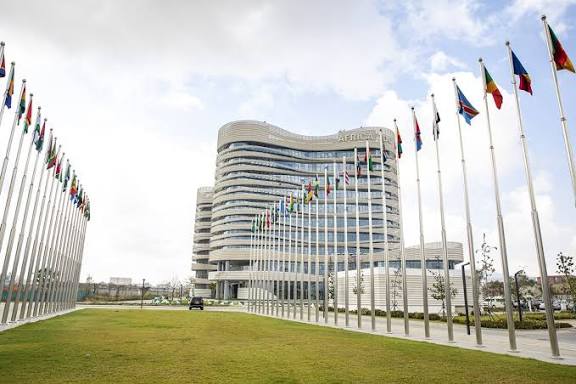
Africa CDC, a specialized public health agency of the African Union established in 2017, developed the framework as part of its statutory mandate to support member states in preventing, detecting, and responding to public health threats. The agency’s responsibilities include early warning surveillance, emergency preparedness, disease prevention, and strengthening national health systems, roles that increasingly intersect with climate-related risks.
In a foreword accompanying the framework, Africa CDC Director General, Dr. Jean Kaseya, described climate change as a defining health challenge for the continent.
“Climate change is a global crisis with profound and far-reaching impacts on human well-being and the environment,” Kaseya said. “It presents one of the most pressing public health challenges of our time with disproportionate impacts that are increasingly evident across the African continent.”
Kaseya added that the strategic framework is designed to move climate and health from the margins of policy discussions to the center of public health planning across Africa.
“This framework represents a pivotal step in the Africa CDC’s mission to safeguard public health by fostering a unified approach across the continent for building climate-resilient health systems and communities,” he said.
Climate Change as a Health Risk Multiplier
The framework situates climate change as a force that amplifies existing health challenges rather than creating entirely new ones. According to the World Health Organization, climate change is projected to cause 250,000 additional deaths annually between 2030 and 2050, primarily from malnutrition, malaria, diarrhea, and heat stress. WHO has described climate change as “the single biggest health threat facing humanity,” a characterization referenced by Africa CDC in the document.
Africa’s vulnerability is shaped by structural factors, including fragile health systems, limited access to public health insurance, and high levels of poverty. The framework notes that climate-induced health risks often translate into increased out-of-pocket expenses for households, further straining communities already facing economic hardship.
A situational analysis conducted by Africa CDC identified seven broad categories of climate-sensitive health risks across the continent. These include vector-borne and zoonotic diseases, waterborne diseases, food and nutrition insecurity, airborne diseases, mental and occupational health risks, damage to critical infrastructure, and extreme weather events such as floods, cyclones, droughts, and heat waves.
From these, Africa CDC prioritized five vulnerabilities based on public health impact, economic burden, feasibility of intervention, climate sensitivity, and alignment with global health and climate commitments.
Five Priority Health Vulnerabilities
The framework identifies vector-borne and zoonotic diseases as a top priority, citing their increasing prevalence and severity across Africa. Changes in temperature and rainfall patterns are expanding the geographic range of disease vectors such as mosquitoes, increasing the risk of malaria, dengue, and other infections.
Heat waves and extreme temperatures were also prioritized due to their growing frequency and magnitude. According to Africa CDC, these conditions pose both immediate and long-term health risks, particularly for older adults, children, and people with pre-existing health conditions.
Food and nutrition insecurity emerged as another critical vulnerability. Climate-induced disruptions to agricultural productivity have direct consequences for nutrition, especially among children. The framework links rising food insecurity to higher rates of malnutrition and related health complications.
Waterborne diseases remain a persistent challenge, exacerbated by changing rainfall patterns and inadequate water and sanitation infrastructure. Africa CDC notes that flooding and water scarcity both contribute to the spread of diseases such as cholera and other diarrheal illnesses.
Airborne diseases, influenced by declining air quality and climate-driven environmental changes, round out the list of prioritized vulnerabilities.
By focusing on these five areas, Africa CDC said it aims to “optimize resource allocation and implement targeted interventions to build climate-resilient health systems across the continent.”
Governance, Capacity, and Financing
The strategic framework is structured around several core pillars designed to address the prioritized vulnerabilities. Governance and leadership form the foundation, with an emphasis on integrating health considerations into Nationally Determined Contributions under the Paris Agreement and strengthening multi-sectoral coordination.
Capacity building is another central pillar. Africa CDC highlighted the need to equip health professionals with the skills required to incorporate climate considerations into health planning, including the development of national health adaptation plans and the establishment of centers of excellence for climate and health.
Risk communication and community engagement feature prominently in the framework. Africa CDC stressed that effective responses to climate-related health risks depend on informed communities and inclusive engagement strategies that translate scientific information into practical action.
Public health emergency preparedness and disaster response are also prioritized. The framework calls for strengthening early warning, alert, and response systems, often referred to as EWARS, to improve preparedness for climate-driven health emergencies.
Research, innovation, and data form another pillar. The framework emphasizes the need for enhanced disease surveillance and monitoring of climate-sensitive health threats, supported by innovative technologies and research partnerships.
Innovative financing mechanisms are identified as essential for sustaining climate-health interventions. Africa CDC outlined options including climate-health bonds, public-private partnerships, and leveraging existing global climate funding mechanisms.
National health systems strengthening underpins all other pillars, with a focus on climate-smart infrastructure, improved water, sanitation, and hygiene systems, effective medical waste management, and stockpiling essential medical countermeasures.
Guiding Principles and Equity Focus
Implementation of the framework is guided by a set of principles intended to ensure inclusivity, accountability, and sustainability. Among them is the One Health approach, which integrates human, animal, and environmental health to address complex climate-related risks.
Equity, justice, and inclusion are also central. Africa CDC stated that interventions must prioritize vulnerable populations, including women, children, and marginalized communities, to reduce health disparities exacerbated by climate change.
Accountability and transparency are highlighted as critical to maintaining public trust and ensuring that resources are used effectively. The framework calls for duty bearers at all levels to be accountable for timely and cost-effective implementation of interventions.
Evidence-based initiatives are another guiding principle. Africa CDC emphasized that all interventions should be grounded in credible scientific evidence, drawing on existing data while investing in new research and surveillance systems.
Institutional Coordination and Costed Plan
To operationalize the framework, Africa CDC outlined an institutional arrangement that includes a steering committee, technical working groups, regional coordination centers, and a dedicated climate change and health technical working group. These structures are intended to ensure coordination across regions while allowing for context-specific approaches.
The framework includes a detailed implementation plan supported by a costed budget of approximately $482.5 million over five years, from 2025 to 2029. According to Africa CDC, funding is expected to come from African Union member states, multilateral organizations, global climate funding mechanisms, donors, and philanthropic partners.
Monitoring and evaluation mechanisms are built into the framework, including annual reports, briefing notes from member states, and mid-term and final evaluations to track progress and adjust strategies as needed.
Climate and Health in Global Context
Africa CDC’s framework situates the continent’s response within a broader global context. The Intergovernmental Panel on Climate Change has warned that delays in global action will reduce opportunities to secure a sustainable future. Africa CDC echoed this concern, noting that health considerations were largely absent from climate negotiations until the 26th Conference of the Parties to the United Nations Framework Convention on Climate Change in 2021.
The framework aligns with global commitments such as the Sustainable Development Goals, particularly SDG 3 on good health and well-being and SDG 13 on climate action.
Building Climate-Resilient Health Systems
While the framework acknowledges the scale and complexity of the challenge, Africa CDC framed it as a roadmap rather than a prescription. Member states are expected to adapt the guidance to their specific contexts, developing national climate and health strategies informed by local vulnerabilities and capacities.
“This strategic framework is aimed to guide and support member states to develop and implement national climate and health strategies, policies, and action plans for building climate-resilient health systems and communities,” the document states.
Africa CDC also committed to supporting member states through technical assistance, capacity building, and coordination at regional and continental levels.
As climate impacts intensify across Africa, the framework positions health systems not only as responders to crises but as critical components of climate adaptation. By linking public health planning directly to climate risk, Africa CDC aims to shift the continent’s response from reactive to preventive, grounded in data, equity, and coordinated action.
Source: Africa Centres for Disease Control and Prevention (Africa CDC)