
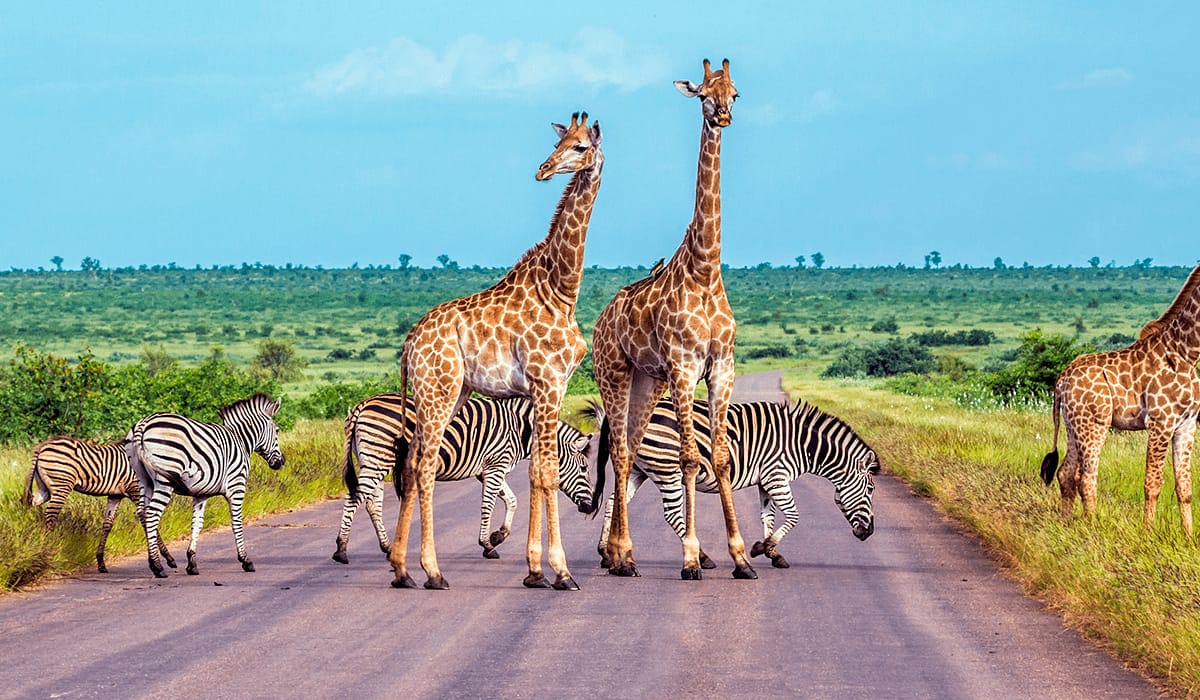
Africa’s growing biodiversity crisis is drawing renewed attention as world leaders meet in Armenia to assess progress on global conservation targets, months after the United Nations warned that environmental destruction was threatening food security, livelihoods and climate resilience across the continent.
The UN Biodiversity Conference, known as COP17, opened in Yerevan on Monday, with governments reviewing progress under the Kunming-Montreal Global Biodiversity Framework, adopted in 2022. Astrid Schomaker, executive secretary of the UN Convention on Biological Diversity, said billions of people whose livelihoods depend on nature were being affected by biodiversity loss and called for urgent progress on commitments made by 196 countries.
In August, Ms Schomaker warned at a scientific and policy meeting in Nairobi that Africa was bearing a disproportionate burden of biodiversity loss, with declining harvests, disappearing fish stocks, degraded soils and polluted water affecting communities that depend on natural resources. The warning underscored the stakes for a continent where agriculture, fisheries, forestry and other nature-based activities support millions of livelihoods.
Biodiversity, the variety of plants, animals and other organisms within ecosystems, supports food production, clean water, soil fertility, medicine and climate regulation. Its decline can weaken the natural systems that communities rely on to withstand droughts, floods and other environmental shocks.
At the Yerevan talks, Schomaker called for greater involvement of Indigenous Peoples, local communities, women and young people in decisions on conservation, saying their knowledge and ideas could contribute to protecting nature. She also urged stronger engagement from cities, businesses and financial institutions.
The conference is expected to assess countries’ progress towards the framework’s targets, including the commitment to conserve at least 30 per cent of the world’s land and sea by 2030. Governments are also expected to discuss funding, national biodiversity plans, monitoring systems and measures to ensure international commitments produce measurable results.
Armenia’s Permanent Representative to the UN, Paruyr Hovhannisyan, said the meeting should help translate commitments into action through stronger implementation, adequate financing and improved accountability.
The framework calls for at least $200 billion annually from all sources by 2030 to support biodiversity, including at least $30 billion in international biodiversity finance, according to Mr Hovhannisyan. Funding remains a major concern for African countries, many of which face significant conservation needs alongside limited financial and technical resources.
The August UN report highlighted climate change, deforestation, pollution, invasive species and the overexploitation of land and water as major pressures on African biodiversity. Rising temperatures, changing rainfall patterns, droughts and flooding are placing additional stress on ecosystems and undermining the resources communities need for food and income.
The talks also come amid wider warnings about the global scale of the crisis. UN Secretary-General António Guterres said more than one million species face extinction, citing climate change, pollution and unsustainable exploitation of natural resources among the threats to the planet’s ecosystems.
Mr Guterres said progress in protecting nature remained uneven and too slow, despite an expansion in the areas of land and ocean receiving formal protection since 2022. He warned that countries risk falling short of the 2030 target.
For Africa, the outcome of the negotiations could have significant implications for conservation funding, climate resilience and the livelihoods of communities dependent on forests, wetlands, grasslands and coastal ecosystems. Turning commitments into practical action will require governments to integrate biodiversity protection into development planning, strengthen environmental enforcement and support communities that manage and depend on natural resources.
The Yerevan talks are therefore an important test of whether countries can close the gap between global conservation promises and the action needed to protect ecosystems, particularly in regions already bearing a heavy burden of biodiversity loss.

Leave A Comment