For decades, scientists have warned that the world’s dependence on fossil fuels is heating the planet and deepening economic inequality. What once seemed too costly to change is now both necessary and profitable. Across the globe, renewable energy has become the cheapest source of new electricity. In 2024, clean energy investments surpassed fossil fuels for the first time, reaching over 2.1 trillion dollars.
The message from the United Nations Development Programme (UNDP) is clear: shifting to renewables is not only about reducing emissions—it is about building a safer, fairer, and more prosperous world.
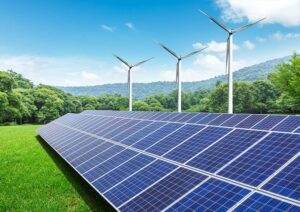
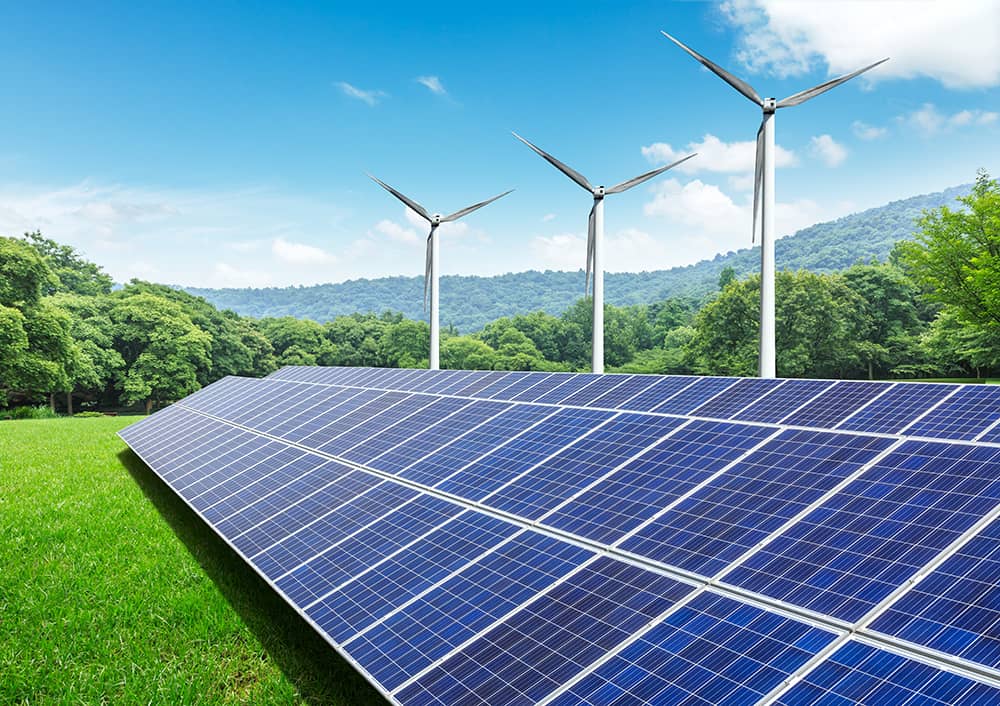
Image credit: Solar panels and wind turbines, Department of Public Service, New York State.
A study by the Pardee Institute and UNDP shows that meeting the COP28 targets of tripling renewable energy capacity and doubling energy efficiency by 2030 could raise the global share of renewables from 8 percent in 2024 to 87 percent by 2060. This transition could add 1.3 trillion dollars to the world’s economy while keeping temperature rise below 1.8°C.
The report goes further. If renewable energy expansion is combined with policies in agriculture, health, education, and governance, the gains multiply: 193 million fewer people would live in extreme poverty, 142 million fewer would face hunger, and 550 million more would gain access to clean water and sanitation. By 2060, global savings could reach 20.4 trillion dollars, and the average person could earn 6,000 dollars more than in a business-as-usual scenario.
Nigeria’s energy reality
In Nigeria, the contrast between potential and reality is striking. Despite vast sunlight and wind resources, over 80 million people still lack access to electricity. Power shortages slow industries, raise production costs, and deepen poverty. Communities rely on diesel generators that emit harmful fumes and drain household incomes.
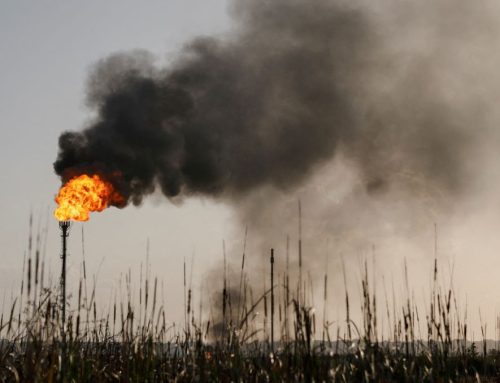
Nigeria’s energy mix remains dominated by gas and oil, even as global trends move rapidly toward clean alternatives. Yet the country has already signaled intent to change course. The 2022 Energy Transition Plan commits to achieving net-zero emissions by 2060 through investments in solar, wind, and hydropower. The plan estimates that over 1.9 trillion dollars will be needed between now and 2060, but the returns—in productivity, health, and resilience—are far greater.
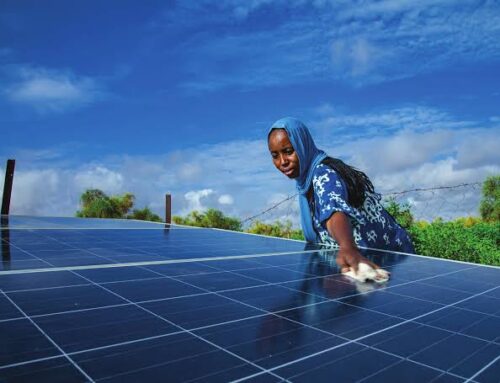
Renewable energy is also a lifeline for rural communities. Solar mini grids are powering schools, health centres, and small businesses in areas that have never seen the national grid. In Jigawa, Katsina, and Gombe States, solar irrigation systems now help farmers grow crops year-round, cutting dependence on erratic rainfall. These are small examples of how clean energy can turn vulnerability into opportunity.
The social dimension
The UNDP emphasizes that renewables, when paired with social development, can deliver a just transition—one that does not leave behind workers or regions reliant on fossil fuel economies. For Nigeria, this means supporting oil-producing states through economic diversification, retraining programmes, and infrastructure development.
It also means addressing the realities of extraction. While solar and wind energy are clean, their technologies depend on minerals such as lithium and cobalt. Mining these resources can harm local environments if not properly regulated. Nigeria’s growing mining sector must therefore adopt transparent and sustainable standards to ensure that one solution does not create another problem.
The cost of inaction
Allowing global temperatures to rise by 3°C by 2100 could shrink the world’s economic output by as much as 34 percent. For Nigeria, this would mean worsening droughts, lower crop yields, coastal flooding, and displacement of millions in the Niger Delta. These risks outweigh the cost of investing in renewables.
Every solar panel installed, and every wind turbine built is an act of prevention. Beyond the environmental benefits, renewables bring cleaner air, job creation, and energy independence.
A moment of choice
Nigeria stands at a crossroads: to either remain tied to an oil-based economy vulnerable to global shocks or to build a cleaner, more resilient energy future. Investing in renewable energy is not just a moral decision—it is sound economics. The transition offers a path to power every home, protect livelihoods, and drive sustainable development for generations to come.
A clean energy future is within reach, but it will not happen by chance. It will happen by choice—and by action.